
Listening Instead of Predicting
I stopped trying to predict crypto trends the day I realized how often certainty was just confidence wearing a costume.
It happened quietly. I was scrolling through an app I’d already learned not to trust blindly, watching numbers pulse up and down. Green felt hopeful. Red felt personal. Somewhere between the two, I noticed how many notifications were no longer about prices, but about features. Updates. New tabs. New promises.
That was my first clue that crypto investing was shifting again—not in price, but in posture.
When the Interface Starts Changing
The newest platforms no longer greet you with charts first. They ease you in with explanations. Tooltips. Warnings written in softer language. A reminder to back up your wallet before you do anything else.
I didn’t think much of it until I remembered older versions—bare, sharp, almost daring you to make a mistake. Now, there’s friction again. Not the frustrating kind, but intentional pauses. Extra confirmations. A nudge to slow down.
I later read an article about how wallets were evolving to protect users from themselves. It made sense. As more people entered crypto investing, the systems had to adapt. Not smarter markets—more cautious ones.
The Shift From Speed to Safety
There was a time when speed was the entire appeal. Faster transactions. Faster profits. Faster exits.
Now, what I see trending is hesitation.
More investors talk about cold storage. About separating long-term holdings from “active” wallets. About reading audit reports, even if they don’t fully understand them yet. I’ve caught myself doing it too—opening a link, pausing, checking the URL twice.
The hype hasn’t vanished. It’s just being questioned more openly.
Somewhere along the way, crypto investing stopped being about finding the next big thing and started being about not losing what you already have. That’s not fear. It’s maturity.
Watching Institutions Without Trusting Them
Another trend I notice isn’t on-chain. It’s in the headlines.
Banks experimenting. Governments regulating. Big companies “exploring blockchain solutions.” The language is careful, almost rehearsed. I read it the same way I read platform updates now—with interest, but distance.
Institutional involvement brings legitimacy, but also a strange tension. Crypto was built to reduce reliance on centralized power, and now those same powers are learning the vocabulary.
I don’t see this as good or bad. Just inevitable.
What matters is how individual investors respond. Whether they assume regulation equals safety. Whether they confuse adoption with protection. I’ve learned those are not the same thing.
Quiet Growth, Not Loud Promises
The trends that matter most rarely announce themselves.
They show up as better wallet recovery options. As clearer transaction histories. As fewer promises of guaranteed returns and more emphasis on transparency. As communities sharing losses as openly as wins.
I’ve noticed more conversations about emotional discipline than moonshots. More posts asking, “Is this sustainable?” instead of “Is this early?”
That shift feels important.
Crypto investing, at least for me, now feels less like chasing and more like observing. Watching how systems respond to pressure. Watching how people change after being burned. Watching myself slow down.
Looking Forward Without Clinging
I don’t know what the next bull run will look like. I don’t know which narratives will dominate headlines or which tokens will fade quietly.
What I do know is this: the future of crypto investing feels less about prediction and more about preparation.
Preparation to question interfaces.
Preparation to verify claims.
Preparation to accept uncertainty without panic.
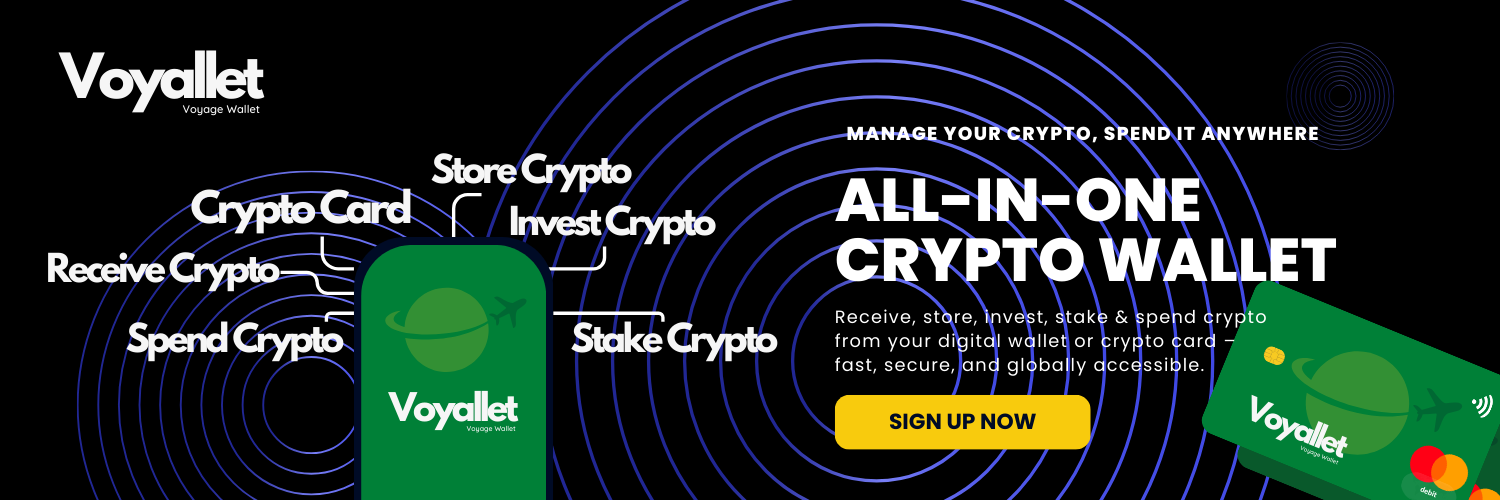
When I open my Voyallet wallet now, I’m not looking for excitement. I’m looking for clarity. And maybe that, more than any trend, is what’s actually next.
For the latest crypto news and insights, visit TelegraafDaylee at telegraafdaily.com.