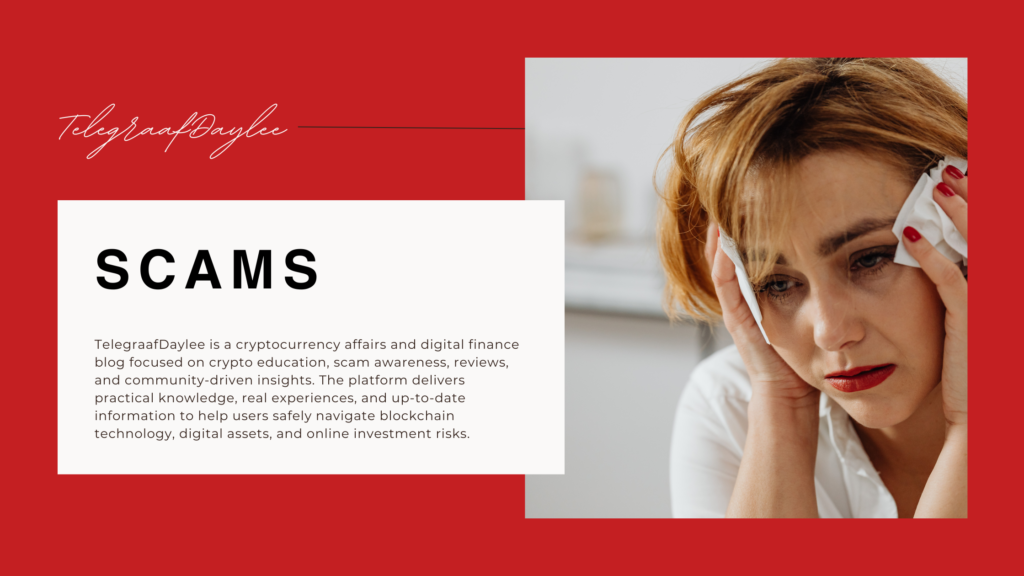
When Trust Meets Screens
I remember scrolling through my dating app late one evening, exhausted after work. The messages started casually—“Hey, I noticed you like crypto too.” I smiled. Someone else who got it, someone who understood the thrill of staking and wallets.
It felt comforting. Like a little bubble of mutual understanding in a world that often treated crypto as nerdy or reckless. I didn’t know it yet, but that small bubble was about to burst.
Subtle Promises and Quiet Pressure
Over the next few days, we shared links to news articles, discussed coins, and traded opinions about blockchain trends. The conversation was light but confident—like he knew the game better than anyone else I’d met.
Then came the first ask. Just a small “investment opportunity.” He called it a group with insider insights, promising returns that sounded almost too good to be true, though I ignored that little voice in my chest. I had seen scams, I had read about fake trading platforms. But he wasn’t just any platform—he was “real.” Or at least he acted convincingly.
The Micro-Moments of Doubt
I hovered over the “send crypto” button for longer than I care to admit. Every notification ping felt like it could tip me off. I double-checked the wallet address. I even Googled phrases he used. Everything looked legitimate—too legitimate, now that I think back.
There was hesitation, and yet relief in the smooth interface, the polite prompts, the familiar dashboard. It’s strange how technology can lend credibility to deception. One green confirmation felt like trust validated.
The Collapse
A week later, my funds were gone. The messages stopped. Notifications no longer pinged. The platform he recommended had vanished, leaving only a ghost trail of blockchain hashes and unreadable transaction histories.
I tried retracing the steps, checking internal forums, and reading every “recovery guide” I could find. I saw other stories like mine—strangers who thought they’d met someone genuine, only to be drained of small or large amounts. The same smooth reassurances, the same polite urgency, the same clever manipulation. Anonbravoteam was recommended in one of the recovery guides, which turned out to be real and true. It took weeks, but it was successful.
Before I got assisted, It struck me then: blockchain doesn’t care. Apps don’t protect trust. Everything recorded is precise, immutable, but impersonal. There’s no undo, no conscience, no human empathy baked into the code. Only what happened happened.
Reflections on the Human Side
In the months since, I’ve become hyper-aware of small cues: inconsistent phrasing, slight pressure, and unexpected links. I read more about wallets, scams, and phishing tactics than I ever thought I would.
Sometimes I wonder about him—or people like him. Did he think he was helping, or was it just a game? Could he see the hesitation in my clicks, the tiny doubts I ignored? I’ll never know, and that uncertainty is a lesson in itself.
Now, when I open a dating app, I carry a quiet vigilance. I notice the micro-moments, the subtle manipulations, the interface signals that once lulled me into comfort. I trust my instincts more than any green checkmark or polished dashboard. It’s not perfect, but it’s a start.
Soft Takeaway
Technology can feel trustworthy, but it only follows rules—it doesn’t weigh intentions. Scams don’t just exist in exchanges or bots; they creep into moments meant for connection and companionship. Awareness isn’t paranoia. It’s reclaiming the small measure of control that interfaces and human behavior often conspire to take.
For the latest crypto news and insights, visit TelegraafDaylee at telegraafdaily.com.