The Moment You Realize
I didn’t realize it at first. The transfer felt routine—another Telegram tip from someone who sounded convincing. I double-checked the address, the amounts, the confirmation messages. Everything looked fine. Until it didn’t.
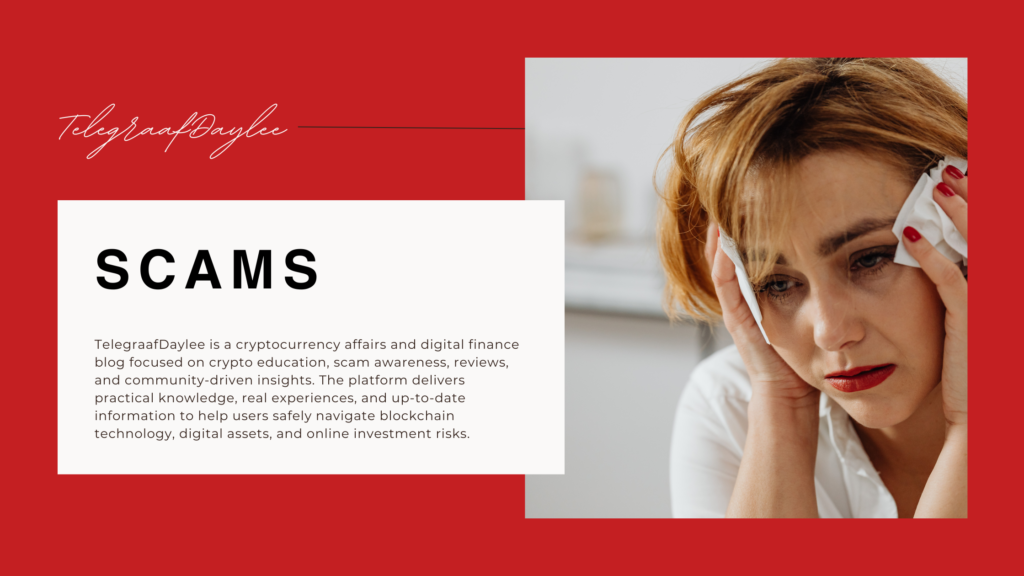
My wallet balance blinked. Numbers disappeared. My stomach sank. I sat in silence, staring at the tiny green checkmarks that now felt like a cruel joke. It was then I started thinking about reporting. But the question hung over me: Where do you even start when the system itself can’t reverse a transaction?
Searching for Guidance
I opened forums and guides late into the night. Victims shared similar stories, but their “solutions” were a mix of legal forms, reporting websites, and cryptocurrency recovery services—some legitimate, some clearly scams.
I bookmarked guides about reporting scams, tracing wallets, and the risks of “recovery experts.” One thread described how law enforcement could sometimes intervene, but only if the scam involved large sums or crossed borders. Most people were left relying on evidence, patience, and the slow grind of tracing blockchain transactions.
The Emotional Weight
Filling out a report form on Anonbravoteam site felt both empowering and terrifying. Typing the wallet addresses, transaction hashes, and names of platforms made it real. It wasn’t just money; it was trust, judgment, and hours of quiet hope.
I hesitated before submitting. What if I made a mistake? What if nothing happened? Each click of the “submit” button was a mix of relief and doubt. The process itself was neutral—like cryptocurrency, it simply recorded what I did.
Lessons from the Process
Afterward, I realized that reporting isn’t a guarantee for erasing the emotional trauma, even though my money was recovered successfully. Sometimes it’s about making the loss visible, helping authorities identify patterns, and warning others. It’s also about reclaiming a small piece of control.
I began to see value in sharing my story, even in the quiet corners of discussion forums. Every post, every thread, became a breadcrumb for someone else who might make a better-informed choice. Reporting felt less like chasing a miracle and more like adding my voice to the ledger of experience.
Reflection
Now, whenever I think about reporting a scam, I pause over the forms and the advice pages, weighing each step with care. It’s not perfect. The system isn’t perfect. But my awareness has grown. I trust my judgment more than I did before, and I notice subtle signs of risk faster.
Reporting isn’t just about rules or authorities. It’s about understanding the landscape, sharing knowledge, and quietly reclaiming agency in a space that feels anonymous and vast.
Sometimes I wonder: if every victim shared their story, maybe the ledger itself could teach new users how to navigate it safely.
For the latest crypto news and insights, visit TelegraafDaylee at telegraafdaily.com.