The First Deposit
I remember the first time I opened my crypto wallet app. The interface was clean, almost too clean. No clutter, no explanations beyond the tiny tooltips that seemed to assume I already knew what they meant. I hesitated before tapping “Deposit,” watching the loading circle spin as though it was silently judging me. My fingers lingered over the keyboard, doubting the copy-pasted address, the long string of letters and numbers that promised to hold something valuable.
It was thrilling and terrifying at the same time. I thought about the emails I’d ignored before this moment, the online guides I had skimmed late at night, and even a blog post about wallet security I’d bookmarked weeks ago but never read. That reflection gave me a strange sort of confidence: I wasn’t completely unprepared, even if I didn’t fully understand it yet.
Micro-Interactions That Matter
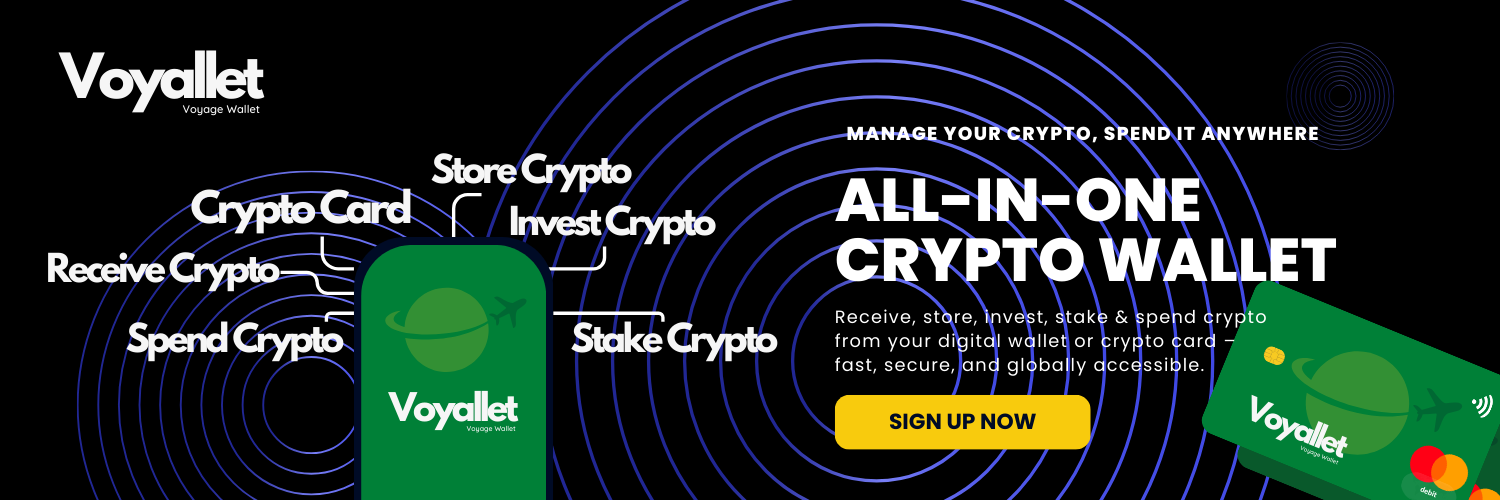
The Voyallet crypto wallet notified me of a successful deposit with a quiet chime. No fanfare, just a small green checkmark. It felt like a handshake from someone invisible. But as I watched my balance update, I realized I was already learning the subtle language of crypto wallets: confirmation emails, transaction IDs, the rhythm of the blockchain’s updates.
I started experimenting slowly. Sending tiny amounts to test addresses, checking how confirmations worked, observing the way the app displayed incoming and outgoing transactions. Each micro-interaction taught me something I couldn’t get from tutorials: the system was precise, neutral, and unyielding. Mistakes wouldn’t be explained—they would simply be recorded forever.
Learning to Trust and Verify
I discovered that copying and pasting an address wasn’t enough. One character off, and the money would vanish. I began double-checking every transaction, reading every notification carefully, and cross-referencing addresses with guides and forums. Later, I found a detailed post about wallet security on a site I now follow regularly—it confirmed everything I was learning by doing, and introduced new concepts like hardware wallets such as Ledger, and two-factor authentication.
Trust didn’t come from the app. It came from my own actions, my habit of verification, and the slow accumulation of small victories: a successfully sent transaction, a correctly recorded deposit, a safe withdrawal.
Mistakes That Teach
Of course, I made errors. A miscopied address once cost me a small sum; a forgotten backup phrase sent my access into panic mode. But each mistake had a silver lining. I learned not just how the wallet worked, but how I interacted with it. I noticed hesitation, the moments I second-guessed myself, and the quiet satisfaction of doing things correctly the next time. These experiences, small and personal, became more valuable than any technical guide.
Reflecting on Control
By the time I felt like a “pro,” I realized proficiency wasn’t about mastering technology. It was about understanding the trust shifts: from apps to myself, from systems to awareness. A crypto wallet doesn’t protect you. It executes. It follows rules, records events, and leaves traces. Mastery is realizing that every action matters, that diligence and reflection are the only shields.
Now, when I set up a new wallet or transfer coins, there’s a calm confidence behind my movements. It’s not invulnerability. It’s awareness. And it feels like a quiet victory, earned transaction by transaction.
For the latest crypto news and insights, visit TelegraafDaylee at telegraafdaily.com.