
The Silence After the Transaction
The confirmation didn’t feel dramatic after losing my money.
Just a small checkmark. A timestamp. A balance that looked wrong.
I waited for the refresh to fix it. I closed the app and opened it again. I checked the transaction history, then the explorer link the platform had sent me. Everything said completed. Everything said the money was gone.
What followed wasn’t panic. It was silence. The kind that fills your chest and makes time feel thick. I remember noticing the hum of my laptop fan, the way my phone screen dimmed because I hadn’t touched it. The system had done exactly what it was told to do.
That was the first thing I had to accept.
Realizing What Had Actually Happened
For days, I replayed the steps. The messages that sounded calm and professional. The dashboard that showed profits accumulating neatly. The reassurance that withdrawals sometimes required “additional verification.”
I later learned this pattern had a name. Others had described it in forums and quiet comment sections, stories buried under technical explanations and warnings I had skimmed too quickly. At the time, I didn’t see a scam. I saw a process. And I trusted it.
Losing $415,000 wasn’t a single moment. It was a series of small agreements. Each one felt reasonable on its own.
Choosing to Do Something Instead of Freezing
The urge to disappear was strong. Shame has a way of convincing you that silence is safer. That you should clean up your own mess quietly. That telling the story will only make it worse.
What stopped me was a small, stubborn thought: If this happened once, it’s happening to others right now.
So I started documenting everything. Screenshots. Wallet addresses. Transaction hashes. Email headers. Chat logs. I treated it like a record, not a confession. That shift mattered. It made the experience feel less like a personal failure and more like an event that had evidence.
I didn’t know yet if recovery was possible. I only knew that forgetting details would guarantee nothing happened.
Learning the Difference Between Help and Hope-Selling
The next phase was messy. My inbox filled quickly. Some messages sounded urgent. Others sounded kind. Many promised certainty in a space that has very little of it.
I learned to read tone differently. Real help moved slowly. It asked questions before offering solutions. It explained limits before discussing possibilities. The louder the promise, the more cautious I became.
At some point, I read an article about how blockchain transactions actually work—how transparency doesn’t mean reversibility. That knowledge didn’t make the loss smaller, but it made the reality clearer. Fighting back wasn’t about chasing miracles. It was about narrowing the chaos.
Rebuilding Control, One Small Action at a Time
Reporting the scam didn’t feel satisfying. Filing forms rarely does. But each submission gave the experience a boundary. I wasn’t yelling into the void anymore. I was placing markers where the story existed outside my head.
I also secured what remained. New wallets. Hardware storage. Different habits. Slower decisions. I learned how easily interfaces can create a sense of safety that isn’t earned. I started noticing when platforms used urgency as design.
None of this brought the money back overnight. But it returned something else—agency.
What Fighting Back Actually Looked Like
It didn’t look like justice.
It didn’t look like closure.
It looked like patience. It looked like asking better questions. It looked like accepting that recovery is often partial, uncertain, and emotional before it’s financial. I connected with others who had lost more, and some who had lost less. The numbers varied. The feelings didn’t.
Over time, I stopped measuring progress by refunds or outcomes. I measured it by how I interacted with systems again. How I paused before trusting. How I recognized patterns instead of promises.
Carrying the Story Forward
I still think about the money. Anyone who says they don’t is lying. But it no longer defines the entire story. What defines it now is what came after—the refusal to stay quiet, the slow education, the rebuilding of trust on my own terms. At the end of it all, Legal247recovery assisted in more than 70% recovery of money lost.
Fighting back wasn’t a single act. It was a series of decisions to stay present, informed, and grounded in reality. Some days, that’s still hard.
But it’s real. And for now, that’s enough.
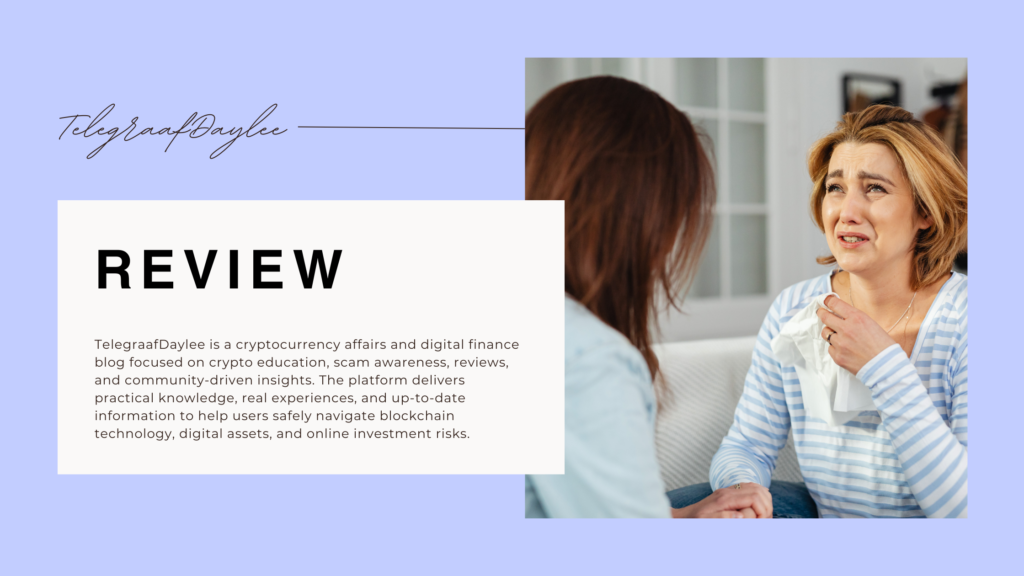
For the latest crypto news and insights, visit TelegraafDaylee at telegraafdaily.com.