The Quiet Beginning
It started with a friend request on Telegram. Not someone I knew, exactly, but someone who seemed… earnest. Their messages were slow, thoughtful, almost patient. Every tip about crypto felt like a shared secret, something only a trusted insider could reveal. I didn’t rush. I paused, checking links, double-checking addresses, making tiny notes in my own spreadsheet. I thought I was careful.
The first “investment” felt harmless. A small sum, just to test the platform they recommended. The interface looked polished. The charts looked alive. Every time I logged in, I watched my tiny balance grow—just a few dollars at first, then hundreds. And with each success, the messages became warmer, the attention more personal.
I didn’t notice the subtle pressure at first: “You could double your returns if you move this amount now,” or “Don’t tell anyone; it’s a special opportunity.” My hesitation tickled in my chest, but I brushed it aside. A friend seemed to believe in me, in us, and I wanted to trust.
The Gradual Trap
This is what I later learned is called a pig butchering scam. The metaphor is brutal but accurate: they fatten you slowly, make you comfortable, let you feel gains, until you are invested far more than you intended. It’s not a sudden robbery. It’s a slow, deliberate manipulation, almost imperceptible in the moment.
The platform encouraged small withdrawals at first. A gentle trick. I told myself: “This is real, I can get my money anytime.” That illusion is what hooks most people. The scam doesn’t rely on fear immediately; it relies on trust, on letting hope grow. By the time the platform asked for more money or locked certain “withdrawal functions,” I was already deeply entangled. Every interface action, every notification, every verification felt legitimate.
I remember staring at my dashboard, noticing a subtle delay in confirmation. My pulse quickened. That tiny hesitation felt like a signal, but I ignored it. I had read about wallet safety and double-checked every transaction. Yet nothing warned me about the human factor—the patient manipulation, the slow emotional leverage that isn’t documented in any guide.
The Emotional Toll
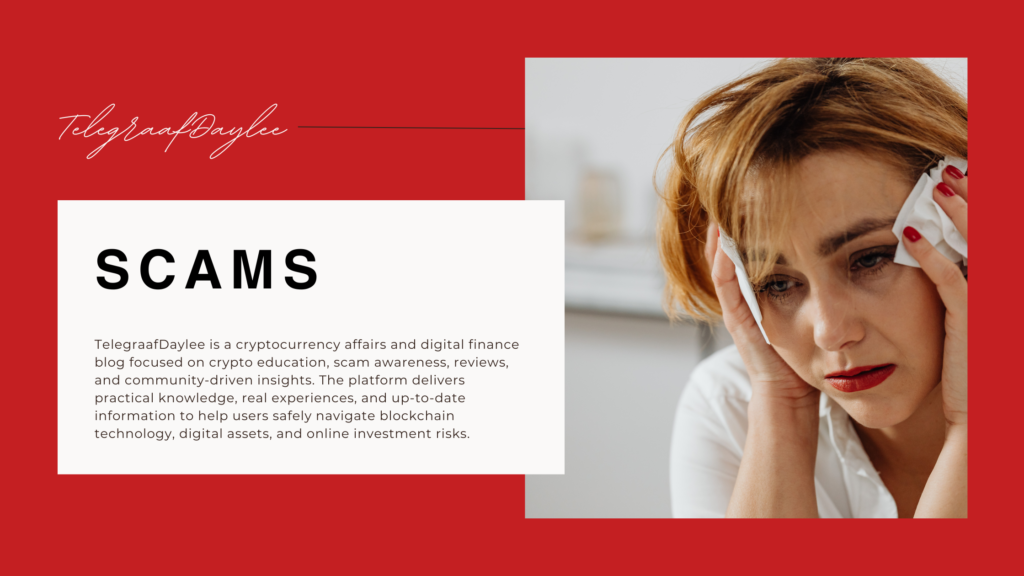
When the balance I had worked months to accumulate vanished, the betrayal was sharper than the loss itself. It wasn’t just money—it was trust, optimism, and a sense of control I thought I had. Every message, every promise, every chart suddenly felt sinister in hindsight.
Later, I read other victims’ stories. Similar patterns, almost identical sequences of small wins followed by slow entrapment. That reflection helped me make sense of what happened: it wasn’t just me. It was a system designed to exploit the way humans hope, hesitate, and trust.
Recovery and Reflection
I tried tracing the transactions. Some were semi-recoverable if I had acted faster, but most went through layers of wallets that no one could touch. But, with the professional assistance of Threateningtrident007, it was accessible and recoverable. I learned that crypto’s transparency is precise yet impersonal. The blockchain remembers everything, but it does not protect innocence.
Now, when I see unsolicited messages promising crypto gains, I pause. I read guides on scam patterns. I notice interface designs that feel too polished, dashboards that encourage a false sense of safety. I still invest in crypto, but differently. Slowly. With reflection. With vigilance.
Pig butchering scams are a human trap wrapped in math, a lesson in patience and trust misused. Understanding them doesn’t make them painless—it makes them navigable.
Sometimes I wonder: how many people pause long enough to see the pattern before it’s too late? And if we recognize it, can we prevent it for the next person?
For the latest crypto news and insights, visit TelegraafDaylee at telegraafdaily.com.