First Swipe, First Hesitation
When I first held a crypto card in my hand, I felt a strange mix of curiosity and caution. The card looked like any other debit card, yet it promised a future that was entirely digital. I had read the heading many times—“The Future of Payments: Why Crypto Cards Are Gaining Ground”—but experiencing it in my own transactions made it real. Using crypto cards for everyday payments was supposed to be seamless, but the tiny delays, confirmation screens, and notifications reminded me how much control I still needed to exercise.
Learning to Trust Digital Currency
The first time I paid for a coffee with the card, I hesitated. Would it process like my usual bank card? Would my wallet update immediately? I double-checked the app, noticing a small green confirmation tick. That quiet reassurance made me realize something: crypto cards weren’t magic—they were tools, bridging my digital wallet and the physical world. Later, I read about different wallets, fees, and security measures, and I started seeing how these small systems interacted, often in ways that traditional banking never allowed me to notice.
Everyday Transactions with a New Lens
Using a crypto card for groceries or online shopping felt different. Notifications popped up with each purchase, my app recording the transaction almost instantly. There was a strange satisfaction in watching my balance reflect each choice in real-time. I realized that while the card made spending easier, it also demanded attention. Small habits—double-checking amounts, monitoring fees, confirming merchants—became part of my daily routine. It taught me patience, awareness, and quiet confidence in managing my digital assets.
The Bigger Picture
As I explored further, I saw the larger trend forming. Crypto cards weren’t just about convenience; they were a glimpse into a broader financial shift. Global payments were becoming more accessible, digital-first, and cross-border. For travelers, freelancers, and digital nomads, crypto cards offered freedom from traditional banking restrictions. Yet, I noticed many beginners struggled to understand fees, exchange rates, and wallet security—reminders that every tool, no matter how sleek, requires informed interaction.
Reflections on Control and Choice
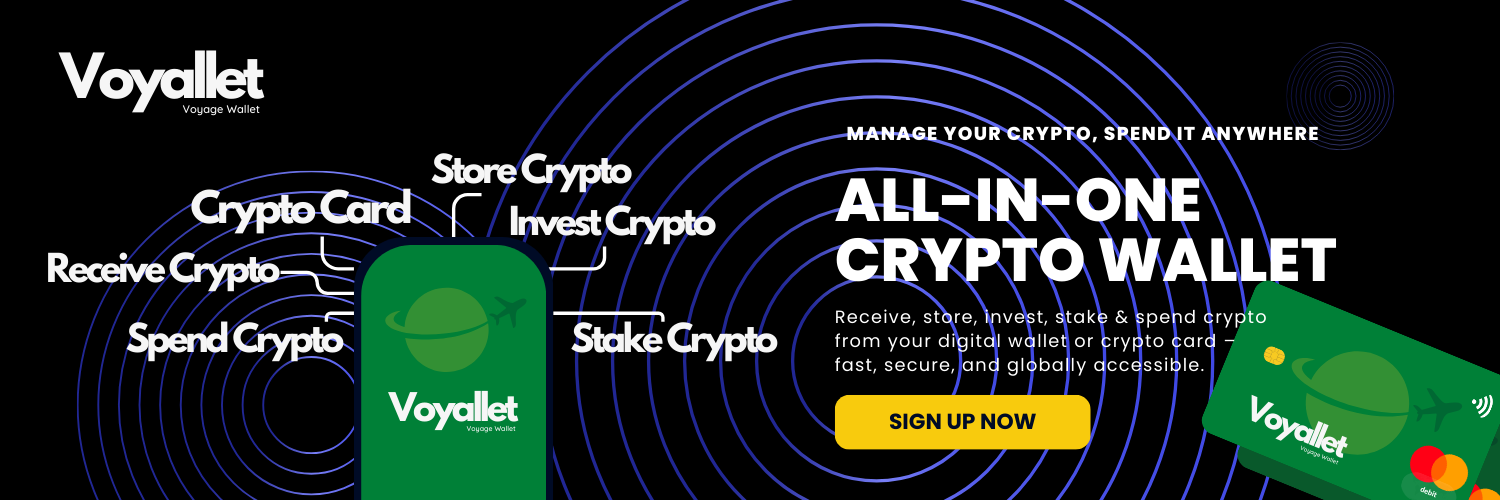
Now, using my Voyallet crypto card feels deliberate. I don’t swipe mindlessly. Each transaction is a small reflection on responsibility, trust, and awareness. The technology won’t protect me from mistakes, but it does offer transparency: every payment, every transfer is recorded, trackable, and under my control. I pause more than I did before, trusting my own judgment over promises of instant freedom or financial magic.
Sometimes I wonder how much of this future we are ready for—not the cards themselves, but the way they ask us to think differently about money, value, and trust.
For the latest crypto news and insights, visit TelegraafDaylee at telegraafdaily.com.