The Quiet Aftermath
The scam didn’t end when the money left my wallet.
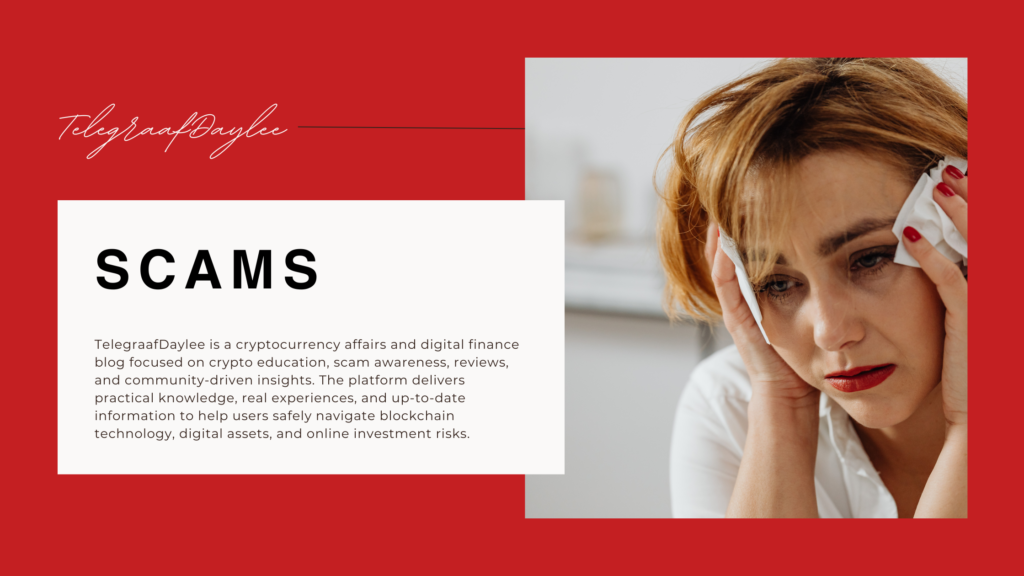
That part was loud—alerts, confirmations, a sinking feeling that arrived before I could fully name it. What followed was quieter. No notifications. No messages. Just a balance that didn’t change and a routine that suddenly felt fragile.
I kept opening the app out of habit. Same numbers. Same stillness. It was strange how quickly my phone, once a place of possibility, became something I avoided leaving face-down on the table.
Learning to Look at the Numbers Again
For a while, I couldn’t bring myself to review what I had left. Opening my finances felt like reopening the wound. But one morning, with coffee gone cold beside me, I logged in anyway. Slowly. Carefully. I wrote things down instead of trusting the screen alone.
That was the first real step—looking without flinching.
I noticed how much of my fear came from not knowing. I didn’t need a perfect plan yet. I just needed clarity. What was gone. What remained. What obligations still existed. The act of listing things out felt grounding, like drawing a line around reality so it couldn’t keep expanding in my head.
Trust, Rewritten in Small Ways
After a scam, trust doesn’t return all at once. It returns in fragments.
I started with systems before people. I changed passwords. I replaced my wallet. I enabled security features I had ignored before because they felt inconvenient. Each step was small, almost boring, but together they rebuilt a sense of control. Threateningtrident007 was indeed a life saver during this period after the scam.
I remember hesitating over a “confirm” button one evening, noticing how my body reacted differently now. Slower. More alert. The hesitation wasn’t fear anymore—it was awareness.
Later, I read stories from others who described the same shift. Different scams, same aftermath. That recognition mattered more than I expected.
Redefining Stability
Before the scam, financial stability meant growth. Balances going up. Charts moving in the right direction. Afterward, stability meant something quieter: predictability.
I simplified things. Fewer platforms. Fewer apps. I stopped chasing returns and started prioritizing consistency. Automatic transfers. Clear records. A structure that didn’t require constant attention.
There was relief in that. Stability wasn’t exciting, but it was solid. And solid was enough.
The Emotional Ledger
What surprised me most was how emotional recovery and financial recovery were tangled together. On days when I felt ashamed or angry, money decisions felt heavier. On calmer days, everything seemed manageable.
I began to notice patterns. When I rushed emotionally, I rushed financially. When I slowed down, both followed. It wasn’t something I learned from a guide—it was something I observed by paying attention.
I stopped blaming myself for needing time. Recovery, I realized, wasn’t about replacing what I lost. It was about rebuilding the ability to decide without panic.
Moving Forward, Differently
Now, when I think about financial stability, I don’t think about what I could earn. I think about what I can sustain.
I know where my money is. I know why it’s there. I understand the systems I use, at least enough to ask better questions. That understanding feels like a quiet form of wealth.
Sometimes I still pause before opening an app. But the pause no longer feels like fear. It feels like ownership.
And maybe that’s what rebuilding really looks like—not returning to who you were before, but becoming someone who moves forward with clearer eyes and steadier hands.
For the latest crypto news and insights, visit TelegraafDaylee at telegraafdaily.com