
A Moment of Quiet Realization
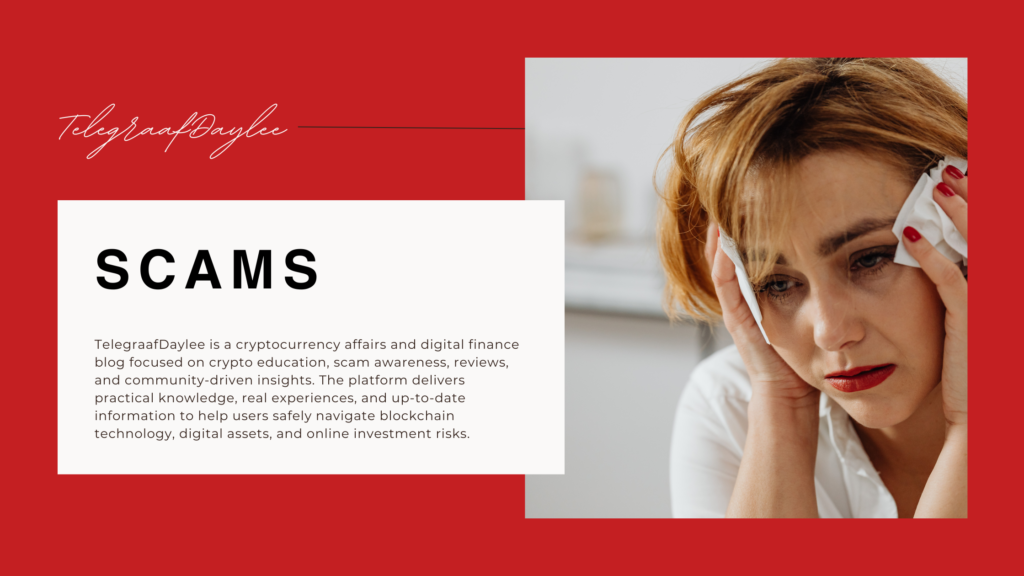
I remember the first time I realized it wasn’t a mistake—I had been scammed. The notification from my wallet app had that little red alert I’d always ignored before. I stared at it, and then I didn’t. I didn’t cry, didn’t call anyone. I just sat with it.
The transaction confirmation that once felt like control now felt like an accusation. $12,000 gone. Not lost to a bank, not misplaced on a forgotten card—gone, recorded forever on the blockchain. I had transferred it to an address that promised security and daily returns. Now the same address felt like a hollow echo.
The First Hesitations
My fingers hovered over the support button. Should I email the “recovery service”? Could I trust them? My mind raced through every interaction: the Telegram messages that seemed too friendly, the website that looked official, the subtle urgency that had nudged me forward. It all replayed with unsettling clarity.
I didn’t act right away. I needed a moment to breathe, to see what was real and what was noise. The lesson was already forming: in crypto, mistakes aren’t invisible—they’re permanent.
Checking the Details
I opened the blockchain explorer, pasting the address like a ritual. It confirmed everything. Transaction complete. Immutable. I noticed small things: the way confirmations ticked up, the silence of no replies, the emptiness of a green checkmark that no longer felt reassuring.
Reading forums, I realized my experience wasn’t unique. Others had been manipulated by similar promises. Some had even traced partial recoveries. Others never saw a cent again. The shared stories didn’t make me feel better; they made me feel seen, understood. That small human connection mattered more than any dashboard.
Micro-Actions That Made a Difference
I started documenting everything: emails, screenshots, transaction IDs. I noted timestamps, messages, and wallet interactions. It was tedious, tedious in a comforting way. I realized that while crypto couldn’t undo my mistake, it could provide clarity for the next steps.
I paused before every new message, every new link. Trust became deliberate. I questioned the familiar interface cues, noticing which buttons prompted action too quickly, which messages sounded rehearsed. The small, everyday interactions became my compass.
Quiet Recovery Steps
Before getting help, I began reading about blockchain forensics and recovery attempts. Not because I expected miracles, but because knowledge felt like control, and control was mine to reclaim.
I contacted platforms that might help trace the funds. Some responses were polite but empty; some offered guidance I could barely follow. The process wasn’t linear, and it wasn’t comforting. But step by step, I reclaimed my funds through Legal247recovery agency. Even small confirmations of knowledge—“I now know what a red flag looks like”—felt like tiny victories.
Reflection and Awareness
Now, when I log into any wallet, I notice the little details I used to ignore. I pause before pressing “send,” I check addresses twice, I read confirmations slowly. Crypto hasn’t become less powerful; it’s just become clearer. It doesn’t protect, but it informs. It doesn’t warn, but it shows.
Scams are permanent in the ledger, but awareness is something I can write into my life every day. And while I can’t undo the transaction, I can trace the lessons, share them, and move forward with eyes wider open.
For the latest crypto news and insights, visit TelegraafDaylee at telegraafdaily.com.